What Is Allantoin and What Does It Do for Skin?
What is allantoin? Learn what this skin conditioning ingredient does, what wound studies found, how much lotions contain and who should use it with care.
Read the articleFrom scientific sources to your daily care.
Clear answers instead of complicated terms.
 INGREDIENTS
What is retinol, what does it do for skin and how do you use it? Percentages, the adjustment phase, side effects and pregnancy, with cited studies.
Explore the guide ↗What is allantoin? Learn what this skin conditioning ingredient does, what wound studies found, how much lotions contain and who should use it with care.
Read the article
What is alpha arbutin, and can it fade dark spots? How it differs from arbutin, what small trials found, the hydroquinone question and EU safety limits.
Read the article
What does azelaic acid do for skin? See what prescription-strength trials found for acne, rosacea and marks, why cosmetic products differ and when to seek care.
Read the article
Is bakuchiol the same as retinol? Read what the small clinical trials found, how to assess a serum, and what remains unknown about its safety and results.
Read the article
What is centella and what does it do for skin? See what centella asiatica did in studies, which skin types were tested, how to use it and what is unproven.
Read the article
What are ceramides? Learn what these skin lipids do, what ceramide creams showed in studies, how to use them, and where the evidence still falls short.
Read the article
What is ectoin? Where this protective molecule comes from, what studies show for hydration and the skin barrier, and how to use ectoin serums and creams.
Read the article
Glycerin for skin: what this humectant does, what studies show on hydration and barrier recovery, how to use it as a moisturizer and why pure glycerin differs.
Read the article
What does glycolic acid do for skin? See what studies found for sun damage, mild acne and dark spots, how to use it, and why it raises sun sensitivity.
Read the article
What does hyaluronic acid do for skin? Explore hydration studies, molecular weight, serum order and damp-skin claims, with clear limits and practical advice.
Read the article
What does the order on a skincare ingredient list tell you? Learn the 1% line, how parfum and fragrance allergens appear, and what a label leaves out.
Read the article
Lactic acid for skin: what studies found for dryness and sun damage, how it compares with glycolic acid, how to use a serum, and why sunscreen still matters.
Read the article
What does niacinamide (vitamin B3) do for skin? Effects on dark spots, oiliness and the skin barrier, the right percentage and how to layer it, with sources.
Read the article
What does panthenol do for skin? See what studies show about hydration and irritation, how to use it, and what sensitive skin types should know.
Read the article
What do peptides do for skin? See what studies found for signal, copper and neurotransmitter peptides, how to use peptide serum, and where evidence ends.
Read the articleWhat is retinol, what does it do for skin and how do you use it? Percentages, the adjustment phase, side effects and pregnancy, with cited studies.
Read the article
What is salicylic acid and what does it do for skin? Explore BHA evidence for clogged pores, product strength, frequency, irritation and clinical peels.
Read the article
What is squalane oil? Learn how squalane differs from squalene, where it comes from, how it works as a moisturizer and what studies have not tested yet.
Read the article
What is tea tree oil used for on skin? See what studies show for acne-prone skin, how to use tea tree oil more safely, and why allergy and oxidation matter.
Read the article
What does urea do for skin? What studies show on hydration and dry, flaky skin, 10% vs higher strengths, urea cream on your face and possible side effects.
Read the article
How do you use a vitamin C serum, morning or night, which form and percentage to pick and how to store it? A step-by-step guide built on cited studies.
Read the article
You can use azelaic acid and niacinamide together; niacinamide isn't an acid. What each is studied for, which goes first and when to see a doctor.
Read the article
AHA vs BHA: how do they differ, what do they do for skin, and how is an at-home exfoliant different from a chemical peel? Sun and irritation risks, sourced.
Read the article
What does a moisturizer do, and how do you choose one? Learn the ingredient types, cream vs lotion vs gel, how to apply moisturizer and what studies show.
Read the article
Can you use niacinamide and vitamin C together? Learn about order, waiting times, sensitive skin and why laboratory findings do not settle every routine.
Read the article
Usually not on the same night: alternate nights or split morning and evening. Salicylic and glycolic acid can then share a routine with retinol.
Read the article
Yes, you can use hyaluronic acid with retinol, and no study has shown one order is better. See the sandwich method, damp skin, adjustment period and pregnancy.
Read the article
Can you use retinol and niacinamide together? Which one goes first, how to start on sensitive skin and when to expect results. A short answer with sources.
Read the article
Can you use retinol and vitamin C in one routine? Why vitamin C in the morning and retinol at night is easier, plus order, irritation and storage, with sources.
Read the article
Yes, salicylic acid and niacinamide can share a routine. No pH wait is needed, but niacinamide won't prevent irritation. Order and routines for oily skin.
Read the article
How much sunscreen should you apply, and when should you reapply? SPF, UVA, tinted formulas and routine order explained, with what the studies show.
Read the article
They can: no evidence argues against using both, though no boost is proven. In the morning: vitamin C first, then hyaluronic acid, moisturizer, sunscreen.
Read the article
How do you get rid of pimples? Start with what causes acne, then see the types of acne, what skincare and diet can do, and when to see a dermatologist.
Read the article
What helps with acne scars? It depends on the type. See how marks differ from pitted scars, what skincare and sunscreen can do, and when a dermatologist helps.
Read the article
How do you get rid of blackheads without scrubbing? Why they look dark, what salicylic acid, squeezing and pore strips do, and how to prevent them.
Read the article
What causes dark circles around eyes? Learn the pigment, vessel and shadow types, how much sleep matters, what has evidence, and when to see a doctor.
Read the article
What causes dark spots on skin? Tell melasma, post-inflammatory marks and sun spots apart, see what the evidence shows and know when to see a dermatologist.
Read the article
What causes redness on face? Compare irritation, flushing and skin conditions, see why some faces stay red, how to simplify care and when to seek help.
Read the article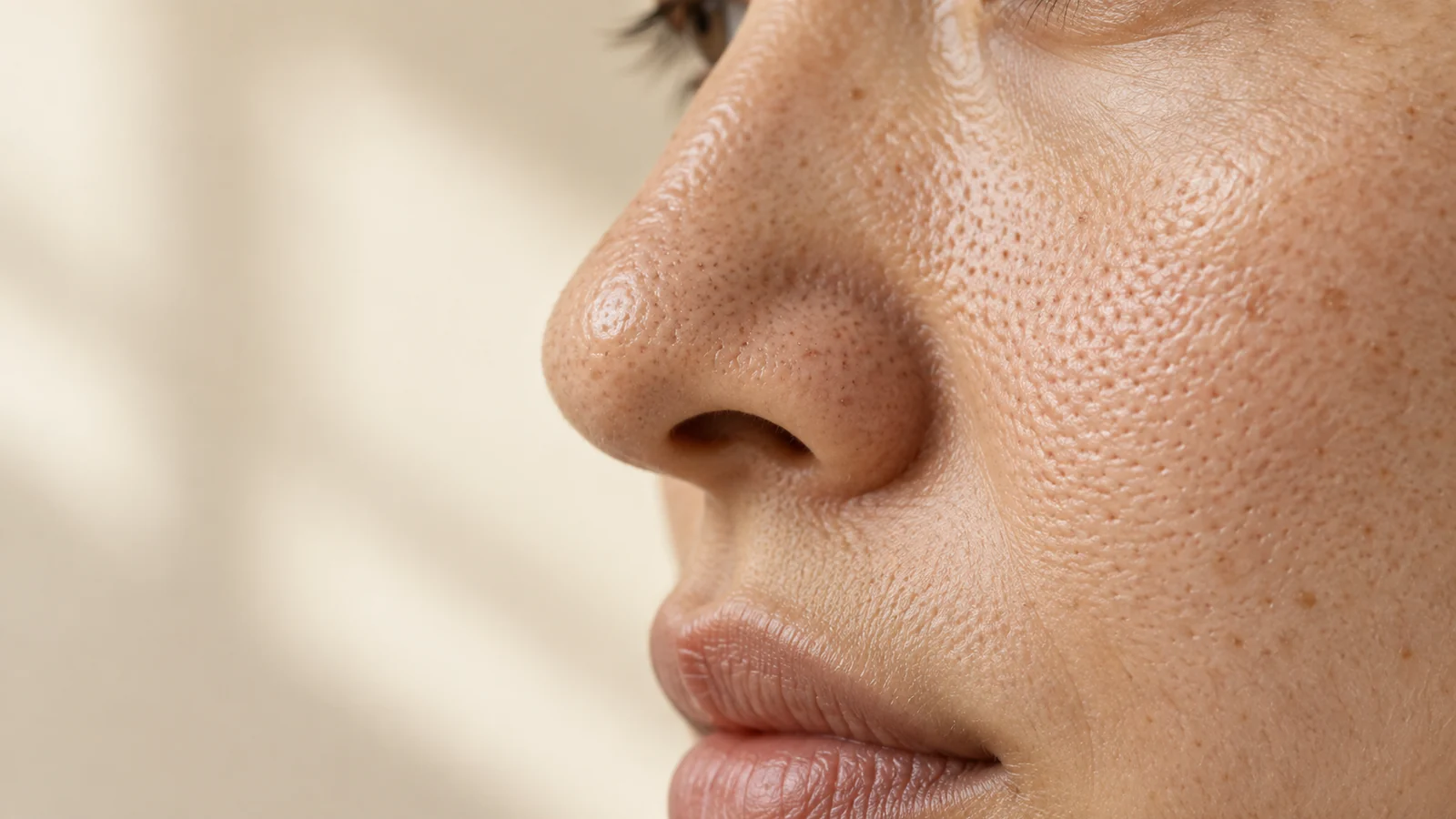
What causes large pores, and can you shrink them? Learn how oil, age and sun affect pores, and what retinoids, niacinamide and sunscreen can and cannot do.
Read the article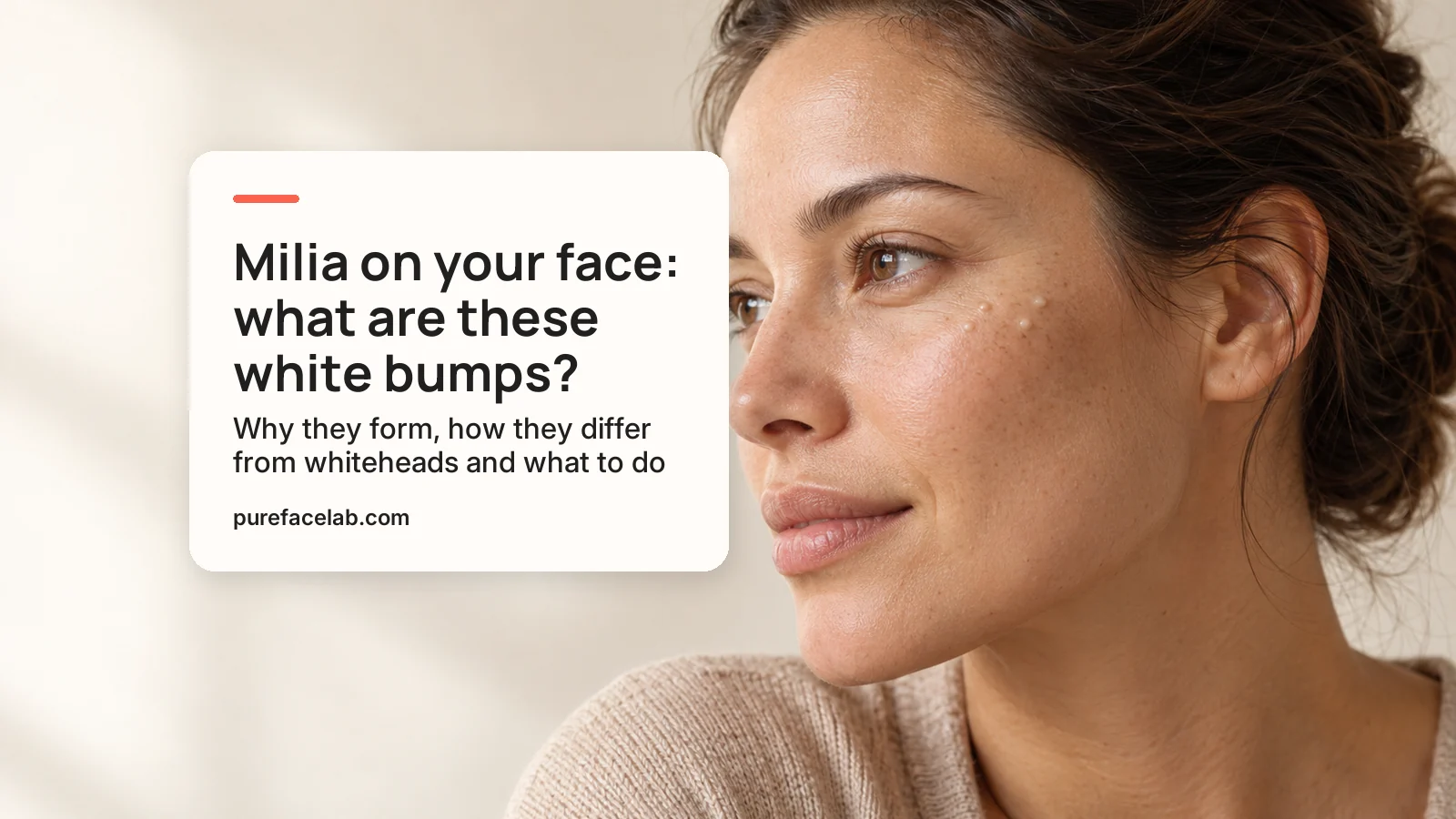
Seeing milia on face, eyelids or a baby's nose? Learn what these tiny white bumps are, how they differ from whiteheads and what a dermatologist can do.
Read the article
How long does skin barrier repair take, and what helps? See the signs of a damaged barrier, how cleansers and moisturizers matter, and when to get help.
Read the article
Why does skin wrinkle with age? Learn the types of wrinkles, how sun and smoking add to them, and what studies show for sunscreen, retinol and vitamin C.
Read the article
What causes hormonal acne, and does acne on your chin prove it? See the signs, the role of androgens and PCOS, skincare with evidence, and when to see a doctor.
Read the article
Why do you break out before your period, and does everyone get period acne? What small studies show about breakouts, oil and sensitivity across the cycle.
Read the article
Pregnancy safe skincare explained: which ingredients to avoid, what studies show on melasma, acne and stretch marks, and why most evidence is observational.
Read the articleYou can try another word or go back to all articles.
In every article you can see which source the information rests on and where uncertainty remains. This content is for general information only; it is not a personal diagnosis or a treatment recommendation.
Your products, your notes and your routines in one place.
Meet the PureFaceLab personal care assistant.